- English
- French
- German
- Portuguese
- Spanish
- Russian
- Japanese
- Korean
- Arabic
- Greek
- German
- Turkish
- Italian
- Danish
- Romanian
- Indonesian
- Czech
- Afrikaans
- Swedish
- Polish
- Basque
- Catalan
- Esperanto
- Hindi
- Lao
- Albanian
- Amharic
- Armenian
- Azerbaijani
- Belarusian
- Bengali
- Bosnian
- Bulgarian
- Cebuano
- Chichewa
- Corsican
- Croatian
- Dutch
- Estonian
- Filipino
- Finnish
- Frisian
- Galician
- Georgian
- Gujarati
- Haitian
- Hausa
- Hawaiian
- Hebrew
- Hmong
- Hungarian
- Icelandic
- Igbo
- Javanese
- Kannada
- Kazakh
- Khmer
- Kurdish
- Kyrgyz
- Latin
- Latvian
- Lithuanian
- Luxembou..
- Macedonian
- Malagasy
- Malay
- Malayalam
- Maltese
- Maori
- Marathi
- Mongolian
- Burmese
- Nepali
- Norwegian
- Pashto
- Persian
- Punjabi
- Serbian
- Sesotho
- Sinhala
- Slovak
- Slovenian
- Somali
- Samoan
- Scots Gaelic
- Shona
- Sindhi
- Sundanese
- Swahili
- Tajik
- Tamil
- Telugu
- Thai
- Ukrainian
- Urdu
- Uzbek
- Vietnamese
- Welsh
- Xhosa
- Yiddish
- Yoruba
- Zulu
Titanium Rear Dropouts in Bicycle Frame Design
High-performance bicycle frames are increasingly using titanium rear dropouts because they provide a good mix of strength, weight, and longevity. As current bicycle designs become more specialised, there is a greater need for parts that are stable, don't rust, and fit together perfectly. As a result, titanium rear dropouts are becoming more popular in high-end and special uses, such as professional road racing, gravel cycling, and mountain biking, where long-lasting parts and accurate measurements are important.
Long-Term Durability Compared to Steel and Aluminum
When planned and made correctly, titanium rear dropouts can offer excellent corrosion resistance and wear resistance under normal riding conditions. Titanium can last longer than steel and aluminum options and is less likely to rust or break when it is exposed to air or repeated mechanical stress.
Fatigue Resistance
Titanium rear dropouts are subjected to repeated dynamic loads from pedalling, stopping, turning, and rough terrain. Because of this, strong fatigue performance is needed to keep structures reliable during long-term cycling. Titanium alloys can handle cyclic loading well as long as stresses stay within the design limits and the geometry of the part is designed correctly.
When the conditions are right, titanium alloys can also be very resistant to crack growth. However, fatigue performance is affected by the state of the metal, the shape of the part, the quality of the surface, the machining process, and the actual loading conditions. Because of this, it is important to use the right design and controlled CNC machining when making titanium dropouts for tough bicycle uses.
Strength-to-Weight Ratio
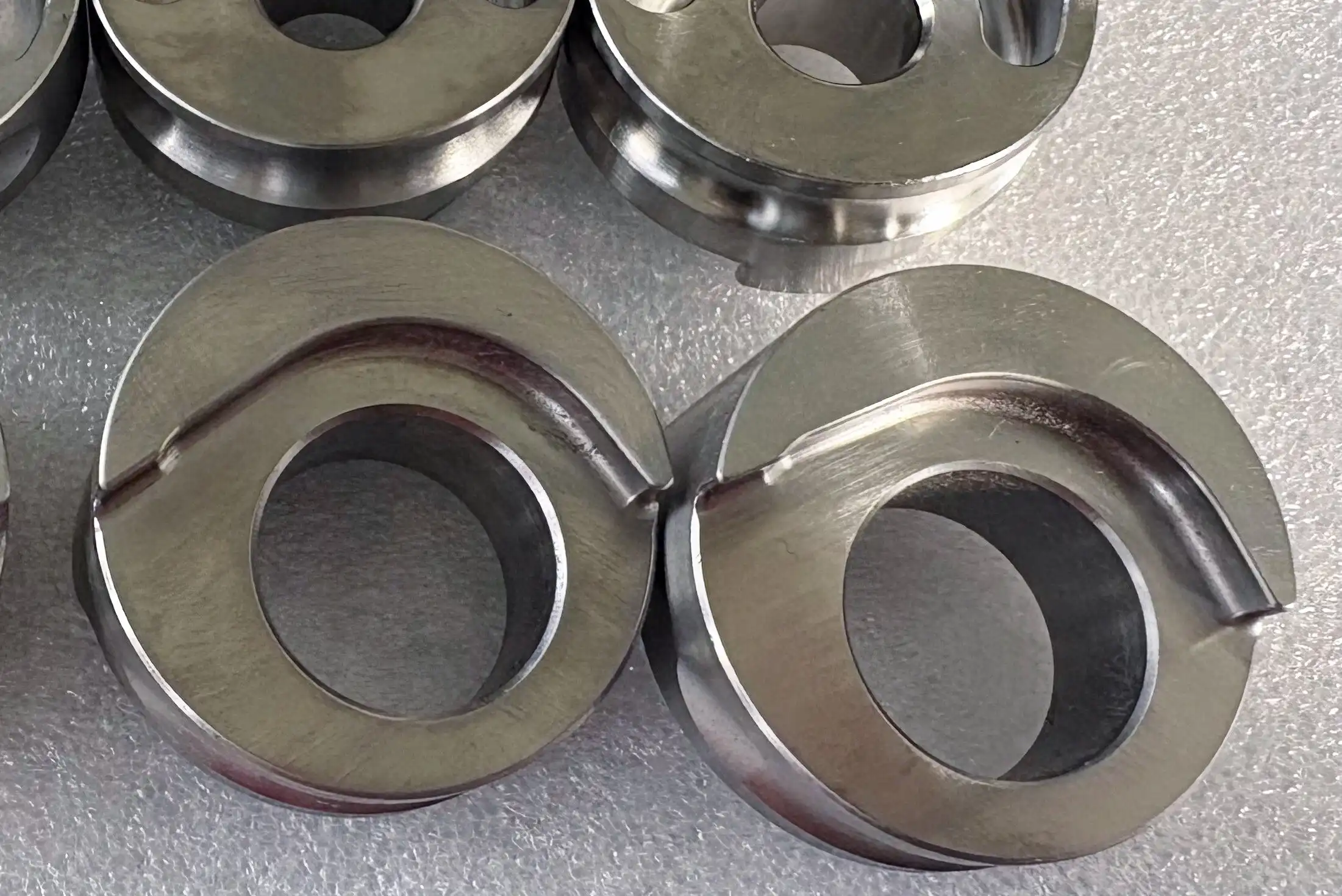
Ti-6Al-4V, which is a common titanium alloy, has a high mechanical strength while still being relatively light. Ti-6Al-4V has a density of 4.43 g/cm³, which is much lower than normal steel. This makes it a good choice for structural parts that need to be light.
Because of these factors, titanium has a good strength-to-weight ratio for bicycle parts that need to keep their structural performance without adding extra weight. The final performance of a dropout depends on the condition of the alloy, its shape, the thickness of its walls, and the manufacturing requirements. That's why the material you choose should be right for the job.
Corrosion Resistance
When titanium is introduced to oxygen, it naturally forms a steady TiO₂ passive oxide layer that makes it very resistant to rust in many cycle conditions. This layer of protection can quickly grow back after small surface damage, which helps the part keep its surface protection when it's used outside.
For example, titanium does not rust in the same way that steel does. It also has a high resistance to localized corrosion, which means it can be used on bikes that are exposed to water, road grime, and salty environments. To make sure the whole component system works reliably, you should still choose the right fasteners and follow the right installation steps.
Weight Considerations and Structural Role
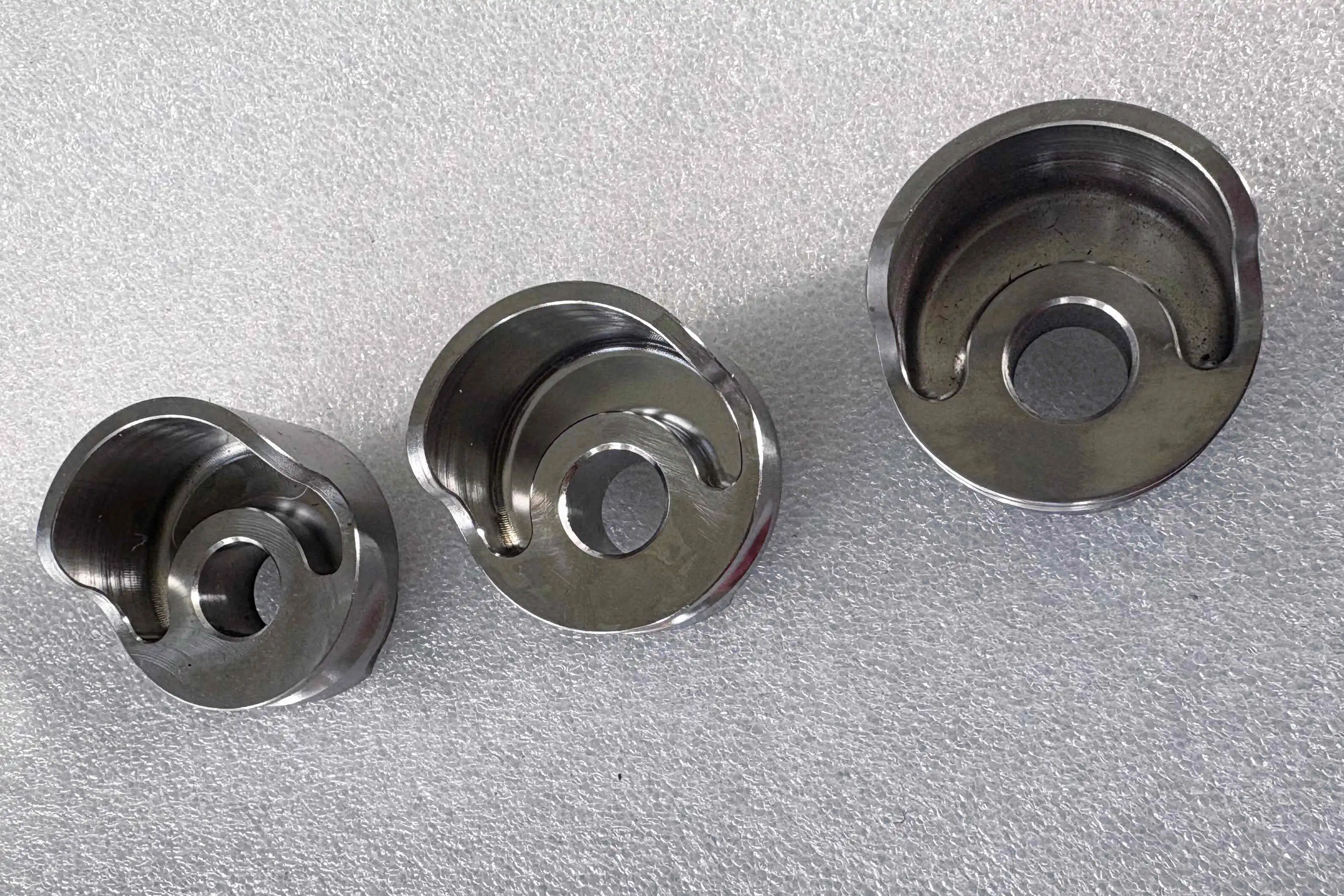
Titanium rear dropouts can help make bikes lighter compared to steel ones, but how much they weigh depends a lot on their shape, axle standards, mounting interfaces, material grade, and structural needs. Because of this, frame makers should look at the design of all the parts together, not just the mass of the materials.
It's also important to tell the difference between the dropout's structural part and the overall frame compliance and ride characteristics. The main job of rear dropouts is to provide strong connection points for the rear wheel, brake, and drivetrain. Frame shape, tube lengths, wall thickness, joints, and the design of the frame as a whole have a bigger effect on how the vehicle compliance, vibrates, and rides.
Machining Precision and Functional Importance
Rear dropouts are critical interface components that directly affect the fundamental performance and assembly of the bicycle, influencing:
- Axle alignment
- Wheel positioning
- Brake alignment
- Drivetrain stability
High-quality titanium dropouts are CNC machined with controlled dimensional tolerances to meet the specific requirements of modern bicycle designs, including:
- Flatness
- Parallelism
- Coaxiality
Accurate control of these features helps ensure proper assembly, stable wheel positioning, and reliable brake and drivetrain alignment. For OEM projects, critical dimensions should be defined by approved technical drawings or CAD data and verified during production inspection to maintain consistent batch quality.
Corrosion Resistance in Daily Use
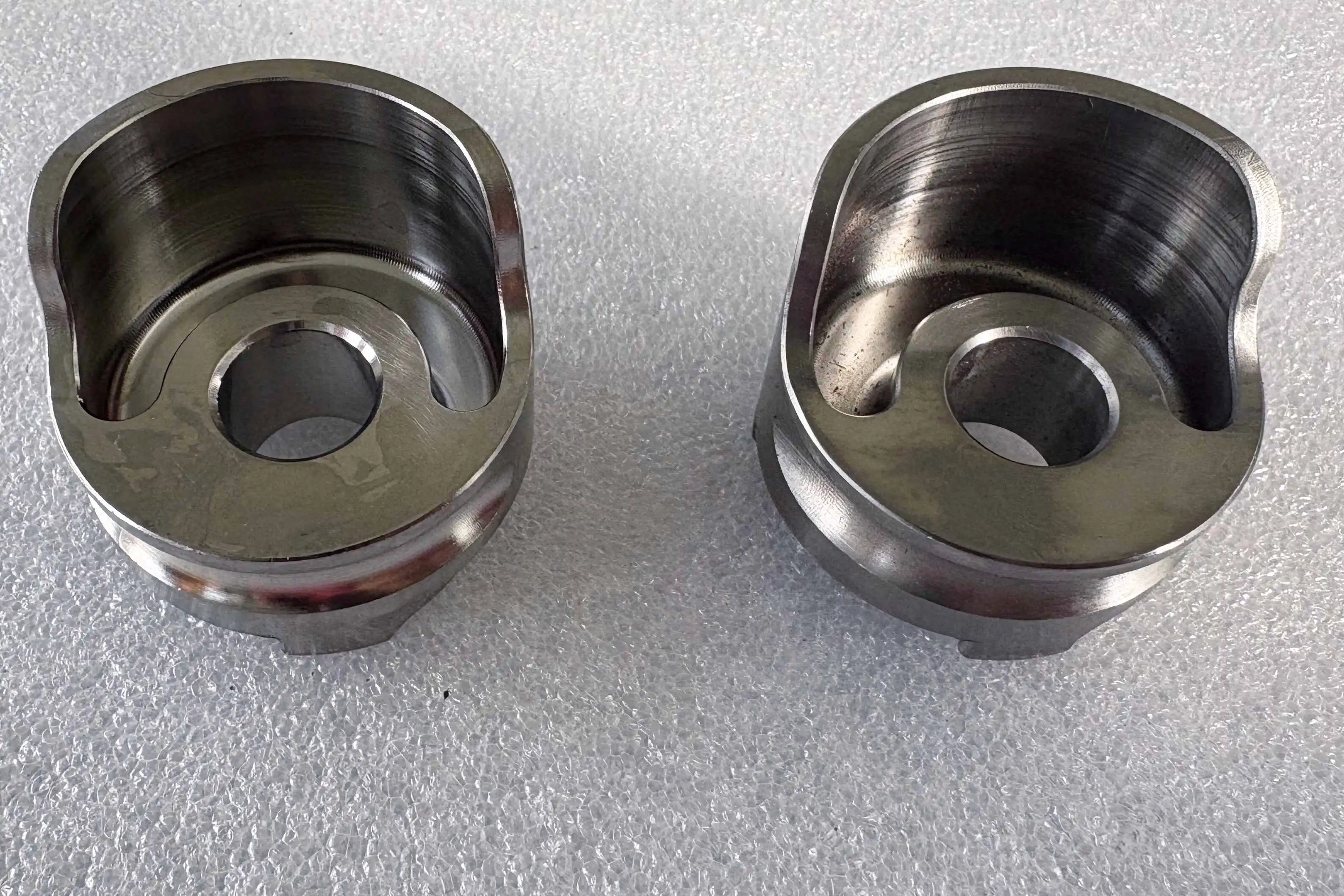
Titanium rear dropouts are highly resistant to corrosion in most cycling environments, making them suitable for bicycles exposed to demanding conditions, including:
- Wet and muddy conditions
- Coastal or salt-exposed areas
- Long-term outdoor use
This corrosion resistance helps keep the performance of open surfaces stable over time and reduces the risk of rust-related degradation. But when designing the whole dropout assembly, you should also think about the fastener materials, the mating parts, the moisture that gets trapped, and the best ways to install it.
Maintenance and Service Life
Titanium dropouts usually don't need as much surface protection as regular steel parts because they don't rust. It is still suggested to do regular checks to find damage from impacts, broken threads, deformation, or any other technical issues that might affect how the parts fit together.
Titanium dropouts can last a long time if they are used within the limits that were planned for them. Even after bad crashes or severe mechanical damage, replacement may still be needed. Also, fasteners should be tightened to the pressure specifications given. If they are tightened too much, cross-threaded, or installed incorrectly, the part can be damaged, even if it is corrosion-resistant.
Cost Considerations
The initial costs of making titanium parts are usually higher than those of making steel or aluminium parts. This is mostly because of the high cost of raw materials, the need for specialised tools, the need for cutting, and the need for process control to get exact measurements and a good surface quality.
For special bicycle uses, the original cost should be looked at along with resistance to rust, weight, longevity, stability in dimensions, and production needs. Titanium can be valuable in the long term in situations where these traits are important, even though it costs more to make.
Conclusion
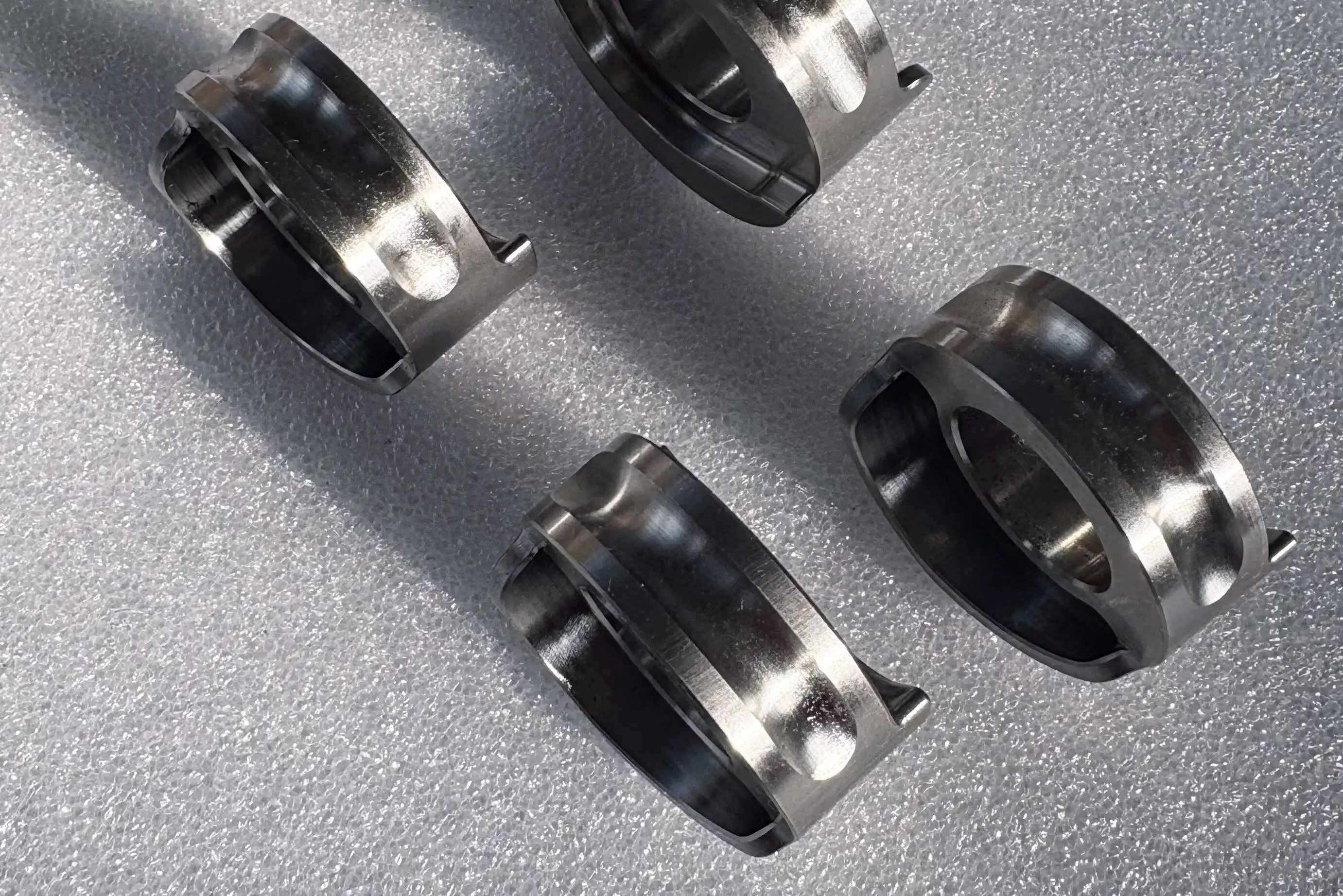
Titanium rear dropouts are a reliable choice for bicycle frame connections that need to be resistant to rust, light, well-performing under wear, and precisely machined. Their performance is affected by the titanium alloy, as well as the shape of the part, the quality of the machining, the condition of the surface, and the installation requirements.
When making high-end or custom builds, the most important thing is being able to make the dropout correctly and consistently according to the frame and component interfaces that are needed. The right CNC machining and dimensional inspection helps keep the wheels, brakes, and drivetrain alignment for as long as the vehicle is supposed to last.
FAQ
What are some of the best things about titanium rear dropouts?
They have a good mix of resistance to corrosion, fatigue, low density, and mechanical strength, which helps ensure the long-term structural integrity of high-end and custom bicycle frames.
Can titanium dropouts be used on any bike?
Not at all. They have to be made to fit the frame and interface requirements, such as the wheel spacing, brakes, drivetrain, and thru-axle, quick-release, and UDH options.
What do they have in common with aluminum or steel?
Titanium is very resistant to rust and has a good ratio of strength to weight. It may be better than aluminum at resisting fatigue and better than steel at resisting corrosion, but the best material for the job will depend on the design, the application, and the budget.
About Us
Baoji Huacan New Metal Materials Co., Ltd. specialises in CNC-machining titanium parts for tough uses, like high-performance riding. Custom component designs that need to be dimensional accuracy, stability of material, and needs specific to the application are supported by our production capabilities.
We support OEM and custom projects requiring:
- Tight machining tolerances
- Consistent batch quality
- Application-specific designs
For custom titanium rear dropouts, customers can provide CAD drawings or technical specifications for manufacturing review and quotation. Contact: Email: joy@hc-titanium.com & sherry@hc-titanium.com.
(1)_1769656715190.jpg)


Learn about our latest products and discounts through SMS or email