- English
- French
- German
- Portuguese
- Spanish
- Russian
- Japanese
- Korean
- Arabic
- Greek
- German
- Turkish
- Italian
- Danish
- Romanian
- Indonesian
- Czech
- Afrikaans
- Swedish
- Polish
- Basque
- Catalan
- Esperanto
- Hindi
- Lao
- Albanian
- Amharic
- Armenian
- Azerbaijani
- Belarusian
- Bengali
- Bosnian
- Bulgarian
- Cebuano
- Chichewa
- Corsican
- Croatian
- Dutch
- Estonian
- Filipino
- Finnish
- Frisian
- Galician
- Georgian
- Gujarati
- Haitian
- Hausa
- Hawaiian
- Hebrew
- Hmong
- Hungarian
- Icelandic
- Igbo
- Javanese
- Kannada
- Kazakh
- Khmer
- Kurdish
- Kyrgyz
- Latin
- Latvian
- Lithuanian
- Luxembou..
- Macedonian
- Malagasy
- Malay
- Malayalam
- Maltese
- Maori
- Marathi
- Mongolian
- Burmese
- Nepali
- Norwegian
- Pashto
- Persian
- Punjabi
- Serbian
- Sesotho
- Sinhala
- Slovak
- Slovenian
- Somali
- Samoan
- Scots Gaelic
- Shona
- Sindhi
- Sundanese
- Swahili
- Tajik
- Tamil
- Telugu
- Thai
- Ukrainian
- Urdu
- Uzbek
- Vietnamese
- Welsh
- Xhosa
- Yiddish
- Yoruba
- Zulu
Titanium Barrel Nut Installation Precautions: The Secret to Longer Life
Proper installation procedures fundamentally determine the performance longevity and reliability of precision-engineered fastening components in critical applications. Understanding the specific requirements for titanium barrel nut installation ensures optimal clamping force, prevents premature failure, and maximizes the exceptional material properties that make these components indispensable across aerospace, motorsports, and high-performance applications.
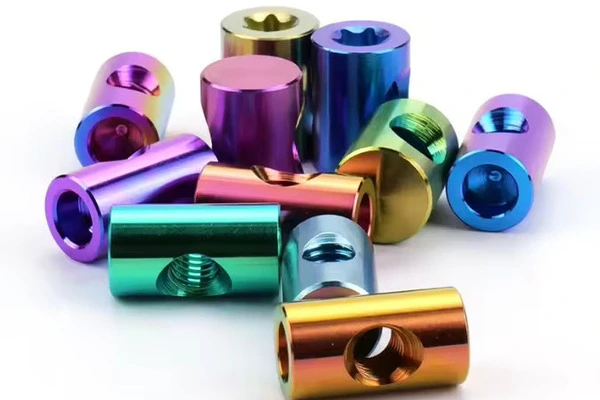
Pre-Installation Preparation and Material Considerations
Thread Inspection and Compatibility Verification
Before installing any titanium barrel nut, thorough inspection of both internal threads and mating bolt threads is essential for achieving proper engagement and load distribution. Grade 5 titanium (Ti-6Al-4V) barrel nuts feature internal UNF or metric threading manufactured to tolerances of ±0.05mm or ±0.1mm, requiring clean, undamaged threads for optimal performance. Use thread gauges to verify pitch accuracy and check for cross-threading damage or contamination.
The cylindrical hollow nut design demands precise thread alignment to prevent galling, a common issue when titanium contacts itself under pressure. Carefully examine the mating bolt for burrs, distorted threads, or debris that could compromise thread engagement and reduce the titanium barrel nut's load-carrying capacity.
Surface Preparation and Cleanliness Standards
Contamination represents one of the primary causes of premature fastener failure, particularly in aerospace and medical equipment applications where reliability is paramount. Titanium barrel nuts with polished, anodized, knurled, or raw finishes each require specific cleaning protocols to maintain surface integrity. Remove all machining oils, cutting fluids, and preservatives using approved solvents that won't leave residues affecting thread engagement.
For anodized titanium barrel nuts used in high-end bicycling and motorsports, avoid abrasive cleaning methods that could damage the protective oxide layer. Inspect mating surfaces for corrosion, paint, or sealants that might interfere with proper seating. Clean environments prevent particulate contamination that could score threads during installation.
Material Property Understanding and Thermal Considerations
Titanium's unique coefficient of thermal expansion differs from steel and aluminum, requiring special consideration during titanium barrel nut installation in mixed-material assemblies. Grade 5 titanium maintains its mechanical properties across temperature ranges from -54°C to 427°C, but differential expansion rates affect preload stability when joining dissimilar materials.
The tensile strength of 895-930 MPa and yield strength of 828-862 MPa enable high clamping forces, yet titanium's lower modulus of elasticity compared to steel means it deforms more under load. Account for these material characteristics when calculating torque specifications. Understanding that titanium barrel nuts offer up to 40% weight savings versus steel helps engineers optimize assembly designs while maintaining structural integrity.
Installation Techniques for Maximum Performance

Torque Specification and Fastening Methodology
Proper torque application is critical for titanium nut longevity, as over-torquing causes thread damage while under-torquing permits loosening under vibration. Unlike steel fasteners, titanium requires reduced torque values due to its tendency toward galling and thread seizure. Use calibrated torque wrenches with accuracy within ±3% and apply fastening force gradually in multiple steps rather than single-pass tightening.
For aerospace airframe and engine assemblies, follow manufacturer torque specifications explicitly, typically 60-70% of values used for equivalent steel fasteners. The 36 HRC hardness of titanium barrel nuts provides excellent strength but demands careful handling to prevent thread damage. Apply anti-seize compounds sparingly and only when specified, as some lubricants alter friction coefficients and affect achieved preload.
Thread Lubrication and Anti-Galling Measures
Galling represents the most significant installation challenge with titanium barrel nuts, occurring when high contact pressures and friction cause material transfer between threaded surfaces. Unlike steel fasteners, titanium's tendency to cold-weld under pressure necessitates preventive measures. Apply approved anti-galling compounds containing molybdenum disulfide, copper, or nickel to threads before installation, ensuring even coverage without excess that could contaminate assemblies.
For titanium barrel nuts in marine technology and subsea robotics, select lubricants compatible with saltwater environments. Some applications prohibit lubricants entirely, requiring dry installation with reduced torque values. Slow installation speeds minimize frictional heating that exacerbates galling. For critical aerospace fasteners, thread-locking compounds maintain preload under vibration while providing lubrication during installation.
Tool Selection and Installation Equipment Requirements
Using appropriate tools prevents damage to titanium barrel nuts during installation and ensures proper torque application. Socket wrenches with perfect fit eliminate rounding of external features on knurled surfaces. For internal-drive titanium barrel nuts, use hardened steel hex keys or bits that won't deform under torque. Pneumatic tools risk over-torquing and should be avoided unless equipped with precise torque control.
In high-end bicycling and motorsports applications where technicians frequently remove and reinstall components, hand tools provide better control than power equipment. Inspect tools regularly for wear that could cause slippage and component damage. For production environments assembling medical equipment or machinery assemblies, automated torque-controlled systems ensure consistency across multiple titanium barrel nut installations while maintaining traceability.
Long-Term Maintenance and Service Life Extension
Regular Inspection and Monitoring Protocols
Even properly installed titanium barrel nuts require periodic inspection to ensure continued integrity throughout their service life. Establish inspection intervals based on operating conditions, with more frequent checks for components experiencing high vibration, thermal cycling, or corrosive exposure. Visual examination should identify any signs of fretting, corrosion staining, or mechanical damage to barrel nut surfaces. For aerospace applications, follow regulatory inspection requirements and document all findings.
Measure bolt preload using ultrasonic testing or torque-turn methods to verify clamping force remains within specifications. The excellent corrosion resistance of titanium barrel nuts typically shows no degradation even after years in harsh environments, but mating components of dissimilar metals may corrode, compromising assembly integrity.
Removal and Reinstallation Best Practices
Titanium barrel nuts can be reused if threads remain undamaged, but careful removal prevents galling that would render them unusable. Apply penetrating lubricants to ease disassembly when fasteners have been in service for extended periods. Loosen titanium barrel nuts gradually using the same multiple-step approach employed during installation, never forcing frozen fasteners that could damage threads irreparably. Inspect removed components thoroughly, checking thread condition with magnification to identify incipient damage before reinstallation.
Clean all surfaces completely, removing old lubricants and any fretting debris. For furniture and machinery assemblies that undergo frequent reconfiguration, limit titanium barrel nut reuse to three or four cycles unless inspection confirms continued thread integrity. Replace any fastener showing visible thread damage or dimensional changes.
Environmental Protection and Storage Considerations
When titanium barrel nuts are removed for maintenance or stored as spares, proper handling preserves their precision and corrosion resistance. Store components in clean, dry environments using protective packaging that prevents mechanical damage to precision threads. While titanium's inherent corrosion resistance eliminates rust concerns affecting steel fasteners, contamination from other metals can cause galvanic corrosion in service. Segregate titanium barrel nuts from ferrous hardware to prevent cross-contamination.
For race cars and portable surgical devices that undergo frequent assembly and disassembly, maintain dedicated tool sets and storage systems that prevent mixing with inferior fasteners. The polished or anodized finishes on premium titanium barrel nuts require protection from scratching during storage. Implement inventory tracking systems ensuring first-in-first-out usage patterns that prevent extended storage degradation.

Conclusion
Maximizing titanium barrel nut service life demands meticulous attention to installation procedures, from pre-installation inspection through proper torque application and anti-galling measures. Understanding titanium's unique material properties, employing appropriate tools, and following manufacturer specifications ensures these precision components deliver their full potential. Regular inspection and proper removal techniques enable extended service across multiple assembly cycles, providing exceptional reliability and performance in demanding applications.
Baoji Huacan New Metal Materials Co., Ltd., a leading titanium barrel nut manufacturer in China's "Titanium Valley," combines ISO 9001 certified quality systems with advanced forging and CNC machining capabilities to produce precision titanium barrel nuts for global B2B customers. Contact Joy@hc-titanium.com or Sherry@hc-titanium.com for expert guidance on your fastening requirements.
FAQ
Q: What torque specifications should be used for titanium barrel nuts?
A: Titanium barrel nuts typically require 60-70% of equivalent steel fastener torque values. Use calibrated torque wrenches and apply force gradually in multiple steps to prevent galling and thread damage.
Q: Can titanium barrel nuts be reused after removal?
A: Yes, titanium barrel nuts can be reused if threads remain undamaged. Inspect thoroughly with magnification after removal, clean completely, and apply fresh anti-galling compound before reinstallation.
Q: What causes galling in titanium fasteners?
A: Galling occurs when high contact pressure and friction cause material transfer between threaded surfaces. Prevent it by using anti-galling lubricants, slow installation speeds, and proper torque specifications.
Q: Are titanium barrel nuts suitable for mixed-material assemblies?
A: Yes, but account for differential thermal expansion rates between titanium and other materials. Grade 5 titanium's expansion characteristics differ from steel and aluminum, affecting preload stability across temperature ranges.
Q: What industries commonly use titanium barrel nuts?
A: Titanium barrel nuts find extensive use in aerospace airframe assemblies, high-end bicycling frames, motorsports bodywork, portable medical equipment, and marine technology where strength-to-weight ratio and corrosion resistance are critical.
References
1. Bickford JH. An Introduction to the Design and Behavior of Bolted Joints, 4th Edition. CRC Press Taylor & Francis Group. 2008.
2. Barrett RT. Fastener Design Manual. NASA Reference Publication 1228. National Aeronautics and Space Administration. 1990.
3. Budinski KG. Tribological Properties of Titanium Alloys. Wear Journal - Elsevier Science. 1991.
4. Donachie MJ. Titanium: A Technical Guide, 2nd Edition - Joining and Fastening. ASM International. 2000.
5. Shigley JE, Mischke CR, Budynas RG. Mechanical Engineering Design, 7th Edition - Threaded Fasteners and Screws for Power Transmission. McGraw-Hill. 2004.



Learn about our latest products and discounts through SMS or email