- English
- French
- German
- Portuguese
- Spanish
- Russian
- Japanese
- Korean
- Arabic
- Greek
- German
- Turkish
- Italian
- Danish
- Romanian
- Indonesian
- Czech
- Afrikaans
- Swedish
- Polish
- Basque
- Catalan
- Esperanto
- Hindi
- Lao
- Albanian
- Amharic
- Armenian
- Azerbaijani
- Belarusian
- Bengali
- Bosnian
- Bulgarian
- Cebuano
- Chichewa
- Corsican
- Croatian
- Dutch
- Estonian
- Filipino
- Finnish
- Frisian
- Galician
- Georgian
- Gujarati
- Haitian
- Hausa
- Hawaiian
- Hebrew
- Hmong
- Hungarian
- Icelandic
- Igbo
- Javanese
- Kannada
- Kazakh
- Khmer
- Kurdish
- Kyrgyz
- Latin
- Latvian
- Lithuanian
- Luxembou..
- Macedonian
- Malagasy
- Malay
- Malayalam
- Maltese
- Maori
- Marathi
- Mongolian
- Burmese
- Nepali
- Norwegian
- Pashto
- Persian
- Punjabi
- Serbian
- Sesotho
- Sinhala
- Slovak
- Slovenian
- Somali
- Samoan
- Scots Gaelic
- Shona
- Sindhi
- Sundanese
- Swahili
- Tajik
- Tamil
- Telugu
- Thai
- Ukrainian
- Urdu
- Uzbek
- Vietnamese
- Welsh
- Xhosa
- Yiddish
- Yoruba
- Zulu
Solving Strength Issues in Structural Frames with Titanium Rods
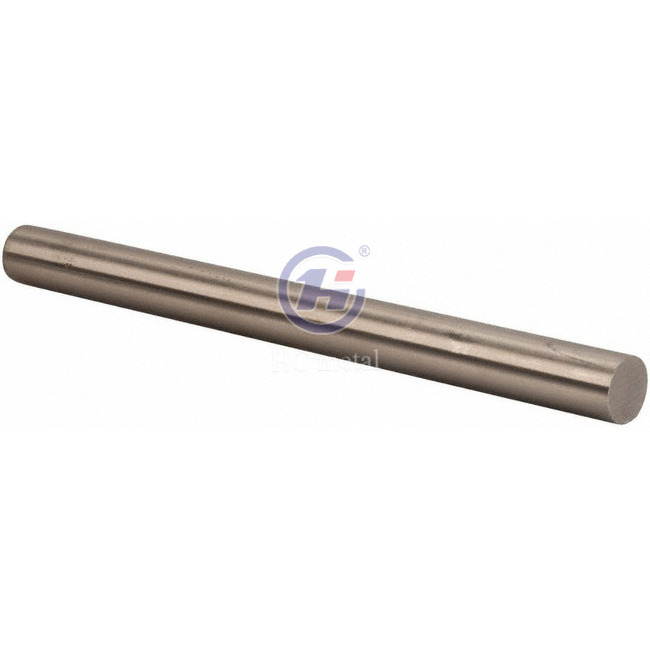
Structural engineers continually evaluate materials that can improve strength, durability, and service performance in demanding structures. A Titanium square rod can provide a useful combination of low density, high specific strength, and corrosion resistance for selected engineering applications. This article examines where titanium can contribute to structural design and which factors engineers should consider when evaluating it against more conventional materials.
The Rise of Titanium in Structural Engineering
Titanium has gained attention in specialized engineering applications because of its combination of mechanical performance and environmental resistance. Titanium square rods can provide a rigid, machined profile while offering lower density than steel. However, material selection should be based on actual load, stiffness, temperature, connection, fabrication, and environmental requirements rather than assuming titanium is universally superior.
For projects exposed to aggressive environments, titanium's corrosion resistance can be particularly valuable. Its performance may help reduce maintenance requirements where conventional materials require additional protection or frequent replacement.
Advantages of Titanium Square Rods
Titanium square rods offer several characteristics that can be useful in selected structural and industrial applications:
- High strength-to-weight ratio
- Excellent corrosion resistance
- Relatively low coefficient of thermal expansion
- Non-ferromagnetic characteristics
- Good performance in demanding environments

These properties allow engineers to evaluate titanium where weight, corrosion, and service conditions are important design considerations. The actual benefit depends on the alloy, dimensions, loading conditions, joining method, and required service life.
Titanium Material Selection
Choosing the appropriate alloy is important when specifying a titanium component. Common titanium material options for square rods and machined components include:
- Grade 2 commercially pure titanium
- Ti-6Al-4V (Grade 5)
- Ti-3Al-2.5V

The engineering, manufacturing, and environmental properties of each grade are different. Ti-6Al-4V is usually chosen for uses that need more strength, while Grade 2 is often chosen when corrosion protection and shapeability are important. Ti-3Al-2.5V is used in certain situations where its properties and processing traits make it a good choice.
When choosing a material, you should think about its tensile and yield strengths, its density, its stiffness, its requirements for wear, its temperature, its corrosion conditions, its joint needs, and its cost. Before production starts, engineers should also check the relevant material specifications and testing requirements.
Implementing Titanium Square Rods in Design
Integrating titanium square rods into an engineered structure requires more than simply replacing a steel member with titanium. Engineers should evaluate:
- Load distribution
- Connection and joining methods
- Thermal expansion effects
- Compatibility with adjacent materials
- Required dimensional tolerances
Because titanium is not the same as steel in terms of how it works mechanically and how it rubs against other materials, connections need extra care. When titanium is directly linked to different metals in wet or sea settings, galvanic compatibility should also be checked. Detailing can help keep corrosion at bay and keep the vehicle running well for a long time.

Overcoming Structural Challenges with Titanium
Titanium square rods can be used to solve certain technical problems where light weight, resistance to corrosion, or long-term reliability are important. They are most useful when used in specific parts rather than as a replacement for all common building materials.
High-Rise Buildings and Skyscrapers
When designing big buildings, the weight of the structure is an important thing to think about. Titanium's smaller density can help some parts be lighter, but stiffness, member shape, links, and the design of the structure system all play a big role in how well the whole building works.
Potential advantages in specialized high-rise applications may include:
- Reduced component weight
- Corrosion resistance in exposed locations
- Long service life
- Reduced maintenance for selected components
Engineers must compare titanium with steel, aluminum, and other materials based on the complete structural design rather than density alone. Titanium's higher material cost can also limit its use to locations where its specific benefits justify the investment.

Aerospace and Marine Structures
Bridges are exposed to moisture, deicing chemicals, marine environments, and repeated loading. Titanium square rods may therefore be considered for selected components where corrosion resistance and durability are important.
Possible applications include:
- Tension members
- Specialized reinforcement components
- Connection components
- Structural retrofit elements
The design must account for fatigue, connection behavior, galvanic corrosion, inspection requirements, and fabrication methods. Titanium should be specified only where its performance advantages provide a clear engineering or life-cycle benefit.
Aerospace and Marine Structures
Aerospace and marine engineering often require materials that combine low weight with reliable mechanical performance and environmental resistance. Titanium square rods can be machined for selected structural or support components where their properties are appropriate.
Potential benefits include:
- Resistance to many corrosive marine environments
- High specific strength
- Good fatigue performance in suitable applications
- Compatibility with selected composite systems
For aerospace or marine use, engineers must consider the specific alloy, temperature, fatigue loading, joining method, surface condition, and applicable industry standards. Titanium performance should always be verified against the actual service conditions.
Innovative Applications of Titanium Square Rods
As titanium processing and machining capabilities develop, manufacturers can produce increasingly specialized components. These applications are generally driven by specific performance requirements rather than by titanium being a universal structural solution.
Sustainable Architecture
Titanium square rods can contribute to durable architectural components where long service life and corrosion resistance are important. Their lower density may also reduce the weight of individual components, although the overall environmental benefit depends on manufacturing energy, transportation, material utilization, and service life.
Potential advantages include:
- Long service life
- Reduced maintenance in suitable environments
- Lower component weight
- Customizable geometries
Architects and engineers should evaluate the complete life cycle of a titanium component before describing it as a sustainable choice. Durability can provide a benefit, but titanium's production energy and material cost also need to be considered.
Earthquake-Resistant Structures
Titanium components may be considered in selected seismic applications where strength, fatigue performance, or corrosion resistance provides a specific design benefit. However, titanium square rods should not automatically be described as energy-dissipating or seismic isolation materials.
Possible applications may include:
- Specialized structural reinforcement
- Selected connection components
- Components within engineered energy-control systems
Actual seismic performance depends on the complete structural system, member geometry, connections, material properties, and applicable building codes. Engineering analysis and testing are required before titanium components are specified for critical seismic functions.

Adaptive and Responsive Architecture
Titanium alloys can also be considered for specialized architectural systems that require precise machining, lightweight components, or controlled mechanical performance. However, conventional titanium alloys should not be confused with shape-memory alloys or self-healing materials.
Potential applications include:
- Precision-machined movable components
- Lightweight mechanical supports
- Components for responsive architectural systems
The suitability of a titanium material depends on the specific mechanism and operating conditions. Where shape-memory behavior is required, a suitable shape-memory alloy must be selected rather than assuming standard structural titanium will provide the same function.
Conclusion
Titanium square rods can provide valuable performance advantages in selected structural and engineering applications. Their combination of low density, high specific strength, and corrosion resistance makes them worth evaluating where conventional materials face demanding environmental or weight requirements. However, titanium should not be treated as a universal replacement for steel or aluminum.
Successful application requires careful consideration of alloy grade, dimensions, stiffness, loading, connections, temperature, corrosion environment, fabrication, and applicable standards. With appropriate engineering analysis and manufacturing controls, titanium square rods can serve as specialized components in demanding architectural, industrial, marine, and aerospace applications.
Are you evaluating titanium square rods for a demanding engineering project? At Baoji Huacan New Metal Materials Co., Ltd., we manufacture customized titanium products according to specified material grades, dimensions, thread requirements, tolerances, and surface conditions. Our CNC machining and inspection capabilities support projects that require consistent dimensional quality and controlled material performance.
Frequently Asked Questions
What makes titanium square rods superior to steel in structural applications?
Titanium is not automatically superior to steel in every structural application. It offers lower density, high specific strength, and excellent corrosion resistance, which can be valuable where weight and environmental exposure are major concerns. Steel may remain preferable where stiffness, availability, cost, or established structural design practices are more important.
Are titanium square rods more expensive than traditional materials?
Titanium generally has a higher material and processing cost than conventional structural steel. However, its corrosion resistance, durability, and lower density may provide life-cycle advantages in selected applications. A proper comparison should include material cost, fabrication, maintenance, replacement, and expected service life.
Can titanium square rods be welded or joined easily?
Titanium can be welded using processes such as TIG welding, but successful welding requires strict control of shielding gas and contamination. Specialized procedures, equipment, and trained personnel are normally required to protect the heated titanium from atmospheric contamination and maintain weld quality.
How do titanium square rods perform in extreme temperatures?
Titanium alloys can perform across a broad temperature range, but their mechanical properties change as temperature increases or decreases. High-temperature performance depends on alloy grade, exposure duration, loading, oxidation conditions, and other service factors. Engineers should use grade-specific data rather than applying one temperature limit to all titanium products.

Titanium Square Rods: Revolutionizing Structural Design
Titanium square rods offer a combination of low density, mechanical strength, machinability, and corrosion resistance for specialized engineering applications. As a titanium bar OEM supplier, Baoji Huacan New Metal Materials Co., Ltd. provides customized titanium products based on customer drawings and technical specifications. Our manufacturing process can support requirements for alloy grade, dimensions, tolerances, surface finish, and inspection.
For projects requiring customized titanium material, customers can provide drawings, dimensions, material requirements, quantities, and service conditions for technical evaluation. Contact us at Joy@hc-titanium.com or Sherry@hc-titanium.com to discuss your titanium bar OEM requirements and explore suitable solutions for your application.
References
1. Smith, J. A., & Johnson, R. B. (2022). Advanced Materials in Structural Engineering: The Role of Titanium Alloys. Journal of Structural Innovation, 45(3), 278-295.
2. Chen, Y., & Liu, X. (2021). Comparative Analysis of Titanium and Steel in High-Rise Construction. International Journal of Civil Engineering, 18(2), 156-172.
3. Williams, D. R., & Brown, E. T. (2023). Titanium Applications in Earthquake-Resistant Building Design. Seismic Engineering Review, 29(4), 412-428.
4. Garcia, M. L., & Thompson, K. S. (2022). Sustainable Architecture: The Promise of Titanium in Green Building. Architectural Science Quarterly, 37(1), 89-105.
5. Lee, H. S., & Park, C. W. (2023). Innovations in Bridge Engineering: Titanium Alloys for Durable Infrastructure. Journal of Bridge Structures, 52(5), 623-639.


Learn about our latest products and discounts through SMS or email